Magallan Aerospace
DJI Agras T50 Aircraft Arm (M1, M2, M3, M4) PN Z5097 – High-Strength Structural Component for Spraying Drones
DJI Agras T50 Aircraft Arm (M1, M2, M3, M4) PN Z5097 – High-Strength Structural Component for Spraying Drones
Couldn't load pickup availability
DJI Agras T50 Aircraft Arm (M1, M2, M3, M4) PN Z5097 – High-Strength Structural Component for Spraying Drones
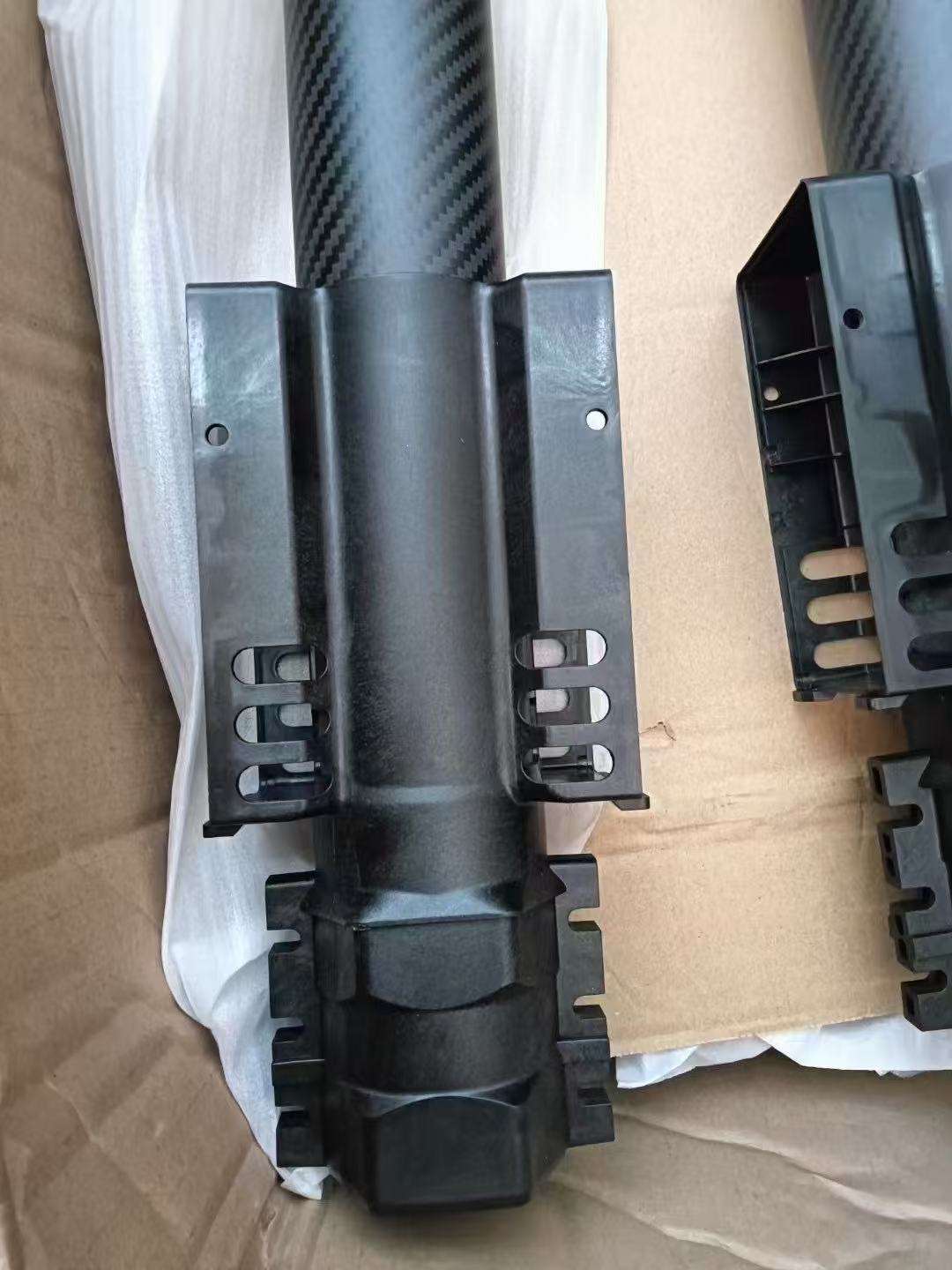
The DJI Agras T50 Aircraft Arm (Part Number Z5097) is the fundamental component of the aircraft's support and propulsion structure, designed to withstand the severe dynamic loads of flight and agricultural operation. Manufactured with state-of-the-art composite materials, this arm is responsible for supporting the motors, ESCs, and spraying system, ensuring the perfect geometric alignment necessary for the UAV's stability. At Magallan Aerospace Supply, we offer specific variants for each position ( M1, M2, M3, and M4 ), ensuring that the structural integrity of your Agras T50 platform is maintained according to the original engineering standards.
Context and Importance in the Aerospace Sector
In heavy-lift unmanned aviation, the airframe is not just a support structure, but also an element for absorbing impacts and dissipating vibrations. The DJI Agras T50 PN Z5097 arm plays a central role in the drone's architecture, acting as the link between the central fuselage and the propulsion systems.
The importance of this component lies in operational safety. A compromised arm, even if imperceptibly (microcracks), can lead to anomalous vibrations that confuse the flight control sensors (IMUs), resulting in instability or catastrophic failures. In the agricultural market, where drones operate with high takeoff weights and frequent maneuvers, the torsional rigidity of the PN Z5097 arm is what ensures that the drone maintains its flight path and spraying accuracy, even under unfavorable wind conditions.
What it is and how it works.
The Z5097 Aircraft Arm is a hollow structural rod, optimized to offer the maximum strength-to-weight ratio. It functions as the rigid support for the motors and the protected pathway for high-power and data internal cabling.
Its operating mechanism involves transmitting the thrust generated by the motors to the drone's central body. The modular design allows the arm to act as a controlled rupture point in the event of collisions or incidents on the ground, protecting the expensive central electronics and the aircraft's fuel tank. Installation is done via reinforced hinges that allow the arm to be folded for transport, a vital logistical feature for agility in the field.
Operational Applications in Aviation and Drones
Propulsion System Support
It supports the mounting of the high-performance engines and propellers of the Agras T50, maintaining the angle of attack and leveling necessary for stable flight.
Critical Cabling Protection
It acts as a structural conduit, protecting the motor power cables and spray nozzle signal cables from abrasion, moisture, and UV rays.
Logistics and Mobility in the Field
Thanks to its compatible articulation system, the drone can be reduced in its overall dimensions to facilitate loading onto support vehicles, without compromising rigidity during flight.
Technical and Operational Benefits
- Operational Reliability: Manufactured under strict quality controls to ensure the absence of air bubbles or lamination defects in the composite material.
- Structural Precision: Millimeter-precise alignment that prevents uneven stress on the engines, extending the lifespan of the entire propulsion system.
- Reduced Thermal Failures: The internal design promotes air circulation, indirectly aiding in the cooling of high-current cables.
- Simplified Integration: Direct replacement for M1, M2, M3, or M4 arms, with pre-drilled holes and fittings that eliminate the need for manual adjustments.
- Performance Optimization: Low structural weight that allows for a greater payload capacity for pesticides and fertilizers.
Key Technical Differentiators
The PN Z5097 arm utilizes a high-density polymer-reinforced alloy and, at critical points, metallic reinforcements to withstand the fatigue of constant bending. A key differentiator is its resistance to chemical corrosion ; the surface is treated to prevent degradation upon contact with liquid fertilizers, which are highly aggressive to common metals and plastics.
Furthermore, variants M1 to M4 are identified to ensure that the engine rotation sequence and spray nozzle distribution remain correct. The boom engineering provides a load distribution that minimizes the moment of inertia, giving the T50 the responsiveness needed for Terrain Follow.
Technical Specifications
- Product Name: Aircraft Arm
- Manufacturer: DJI Agriculture (Original Replacement Part)
- Part Number (PN): Z5097
- Category: Structure & Airframe
- Main Application: DJI Agras T50 Drone
- Available Positions: M1 (Front Right), M2 (Front Left), M3 (Rear Left), M4 (Rear Right)
- Material: High-strength plastic and metal composite
- Weight: Optimized for high performance (approx. 1.2kg to 1.5kg depending on the position)
- Interface / Connectivity: Quick-release hinge and cable conduits.
- Operating Temperature: -10°C to 50°C
- Certifications: Validated according to DJI Agriculture stress testing standards.
Compatibility and Installation Requirements
This component is compatible exclusively with the DJI Agras T50 model .
Installation Requirements: Replacing the arm requires the use of precision tools (Torx/hex keys) and must be done with the battery removed. It is essential to ensure that the internal cables are not crushed during hinge assembly. After installation, recalibration of the propulsion system and a visual leveling inspection are mandatory to ensure that the drone's geometry is symmetrical.
Important Technical Guidelines and Considerations
Always check the position code (M1-M4) before purchasing, as the curvature and internal supports vary between the front and rear arms. Inspect the arm after any "hard landing" or contact with obstacles; superficial cracks may indicate internal structural compromise. Do not use adhesives or glues to repair cracked arms, as this compromises the aerospace integrity of the part, putting the operation at risk.
Share